Scotland / whisky, castles, and open country
Scotland, shaped around whisky, castles, and open country
A planning starting point for dramatic landscapes, local producers, deep history, and an itinerary pace that fits the people traveling.
This is a proposed route to help begin the conversation — not a fixed itinerary, live availability, or bookable package.
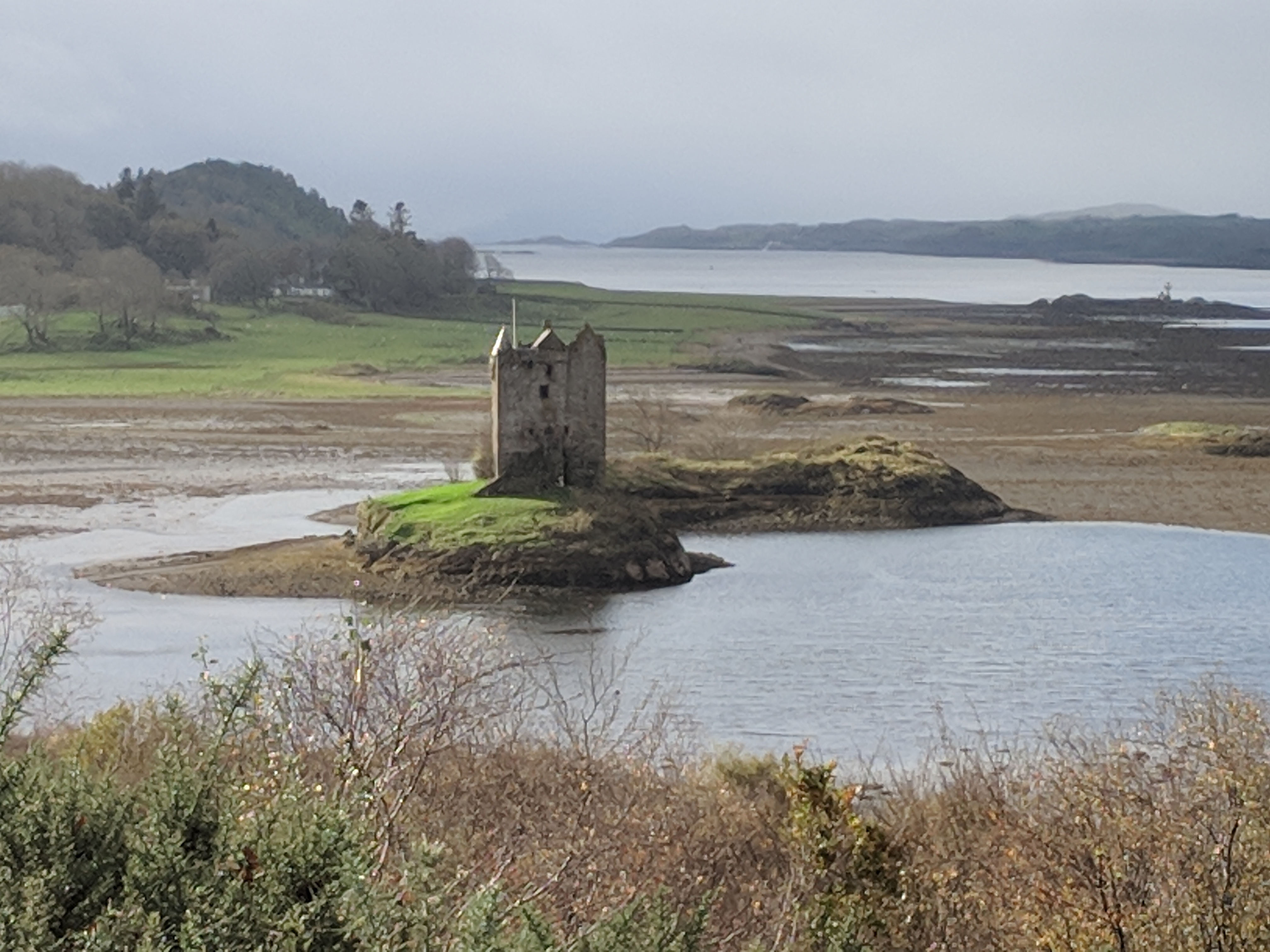
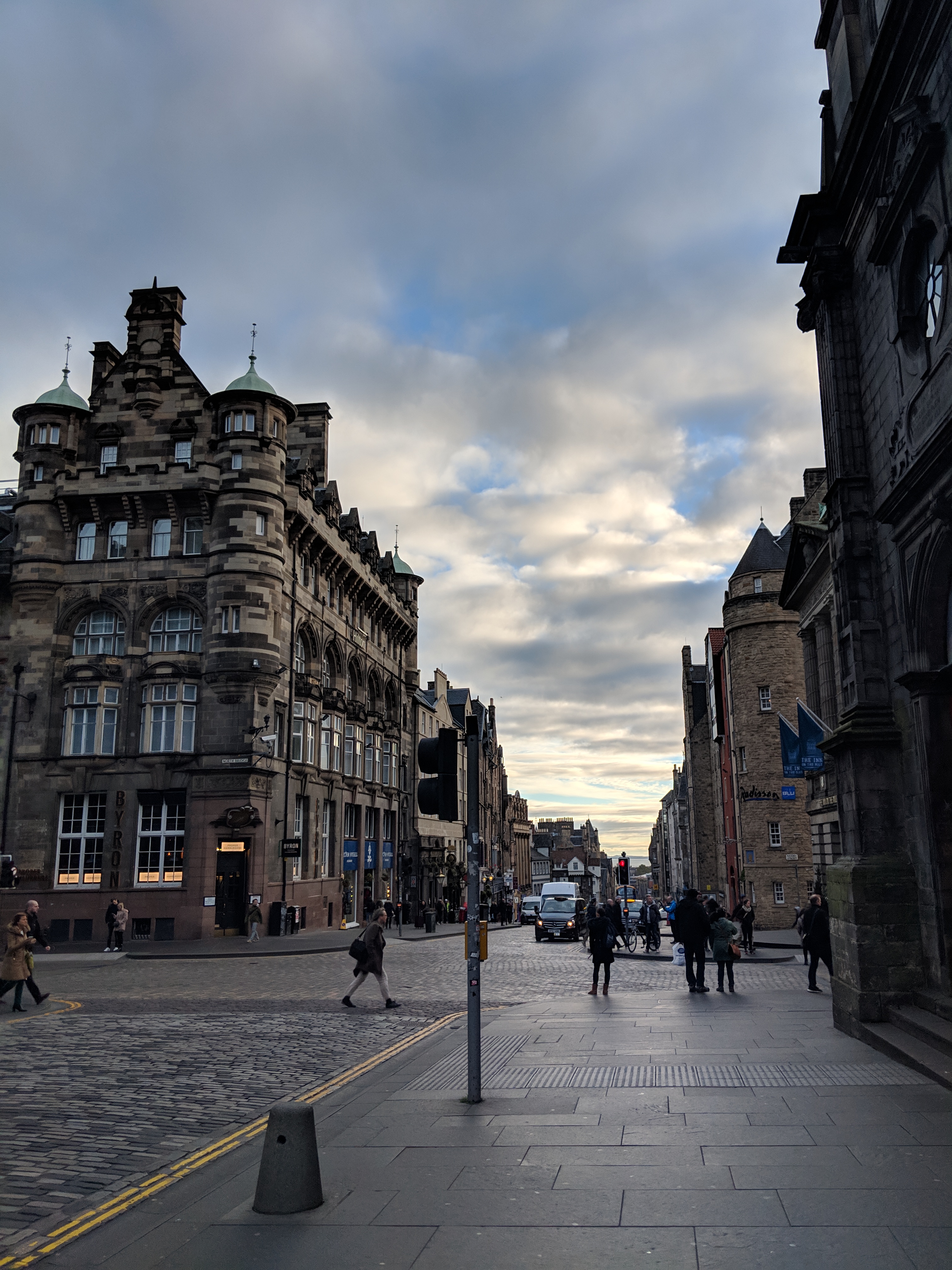
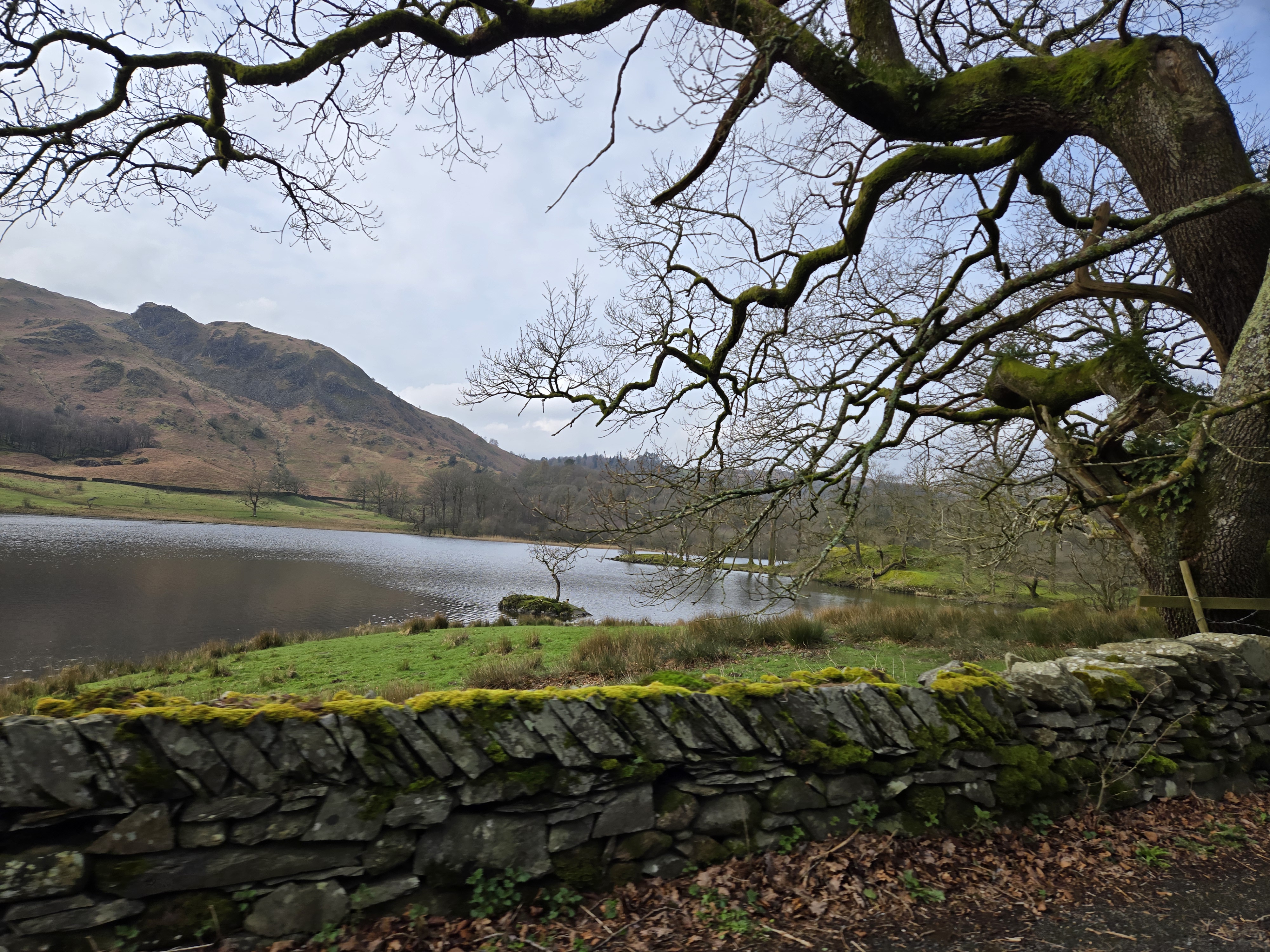
01 / SAMPLE JOURNEY
A sample journey with space to slow down
Use this route as a conversation starter. The right shape depends on your arrival point, interests, driving comfort, season, and how much time you want to spend in each place.
- Edinburgh
A thoughtful arrival through layered history and city life
Begin with time for a historic neighborhood, a museum, a good meal, and the first sense of Scotland before heading into the wider landscape.
- Highlands
Open landscapes, castles, and days guided by the weather
Choose a Highland base that leaves room for a castle or estate, a marked walk, and scenic roads without turning every day into a long transfer.
- Speyside
Whisky country with time for local stories and good tables
Build in a considered distillery visit or local producer experience, then let village meals, riverside scenery, and slower mornings have their place.
A slower alternative. choose two bases instead of three, keeping Edinburgh brief and giving the Highlands or Speyside more unhurried time to unfold.
02 / TRIP INSPIRATION
Ideas to explore
Four ways to think about Scotland before deciding exactly where the road should go.
Make room for a distillery or independent producer whose approach interests you, with time to listen, taste responsibly, and understand the place behind the bottle.
Pair a landmark castle or estate with museums, local stories, and the working history that gives Scotland’s past more texture than a checklist of stops.
Let mountains, lochs, coast, and marked paths set the rhythm, with flexible outdoor ideas that can move when the weather asks for a different plan.
Look for local tables and welcoming communities, then balance shared highlights with optional walks, quiet time, and a pace that works for everyone.
03 / PRACTICAL PLANNING
Details to consider
Scotland rewards a plan that is considered without becoming over-programmed. These are the questions worth bringing into the conversation.
Choose fewer bases
A smaller number of well-placed stays can make room for longer meals, local conversations, and the unexpected moments that get lost between too many check-ins.
Match transport to the trip
Consider rail, transfers, and a rental car against road confidence, mobility, group size, and the driving time you actually want between experiences.
Leave room for weather and daylight
Weather and daylight vary by season and region. Keep walks, viewpoints, and scenic drives flexible rather than making every memorable moment depend on a perfect forecast.
Check current access and seasonal guidance
Before travel, confirm opening arrangements, road conditions, trail access, wildlife guidance, and seasonal changes with the relevant official sources.
04 / RESPONSIBLE TRAVEL
Travel with care for the land and communities
Responsible travel means paying attention to how a visit lands in working landscapes, local communities, and the wildlife that makes Scotland distinctive.
Choose local where it fits
Support independent businesses, local producers, and guides whose knowledge connects a visit to the community rather than only to a landmark.
Respect working landscapes and wildlife
Follow local guidance around farms, estates, roads, homes, livestock, and wildlife, remembering these are lived-in places year-round.
Stay on marked paths
Carry out what you carry in, leave no trace, and use marked paths to help protect fragile ground and keep access welcoming for the next person.
Prefer a lower-pressure pace
Fewer stops, longer stays, and flexible days can create a more generous experience for travelers, hosts, and the places between the highlights.
Continue planning
This is a proposed route to help begin the conversation — not a fixed itinerary, live availability, or bookable package.